Beethoven: String Trio in C minor, op. 9 no. 3
Ernst von Dohnányi: Serenade for String Trio in C major, op. 10
Robert Schumann: Piano Quartet in E-flat major, op. 47
Tuesday, December 9, 2025; 7:30 p.m. • Maryville University Auditorium (Directions) • Free Admission
This recital will be our 2025-2026 Johannes Wich-Schwarz Chamber Music Concert. The event won’t be live-streamed, and no recording will be available, so please consider enjoying the performance in person. Information about the entire Music at Maryville 2025-2026 Concert Series is available via this link. You’re welcome to share this information with anyone you know who may be interested.
Artists
STRIO:
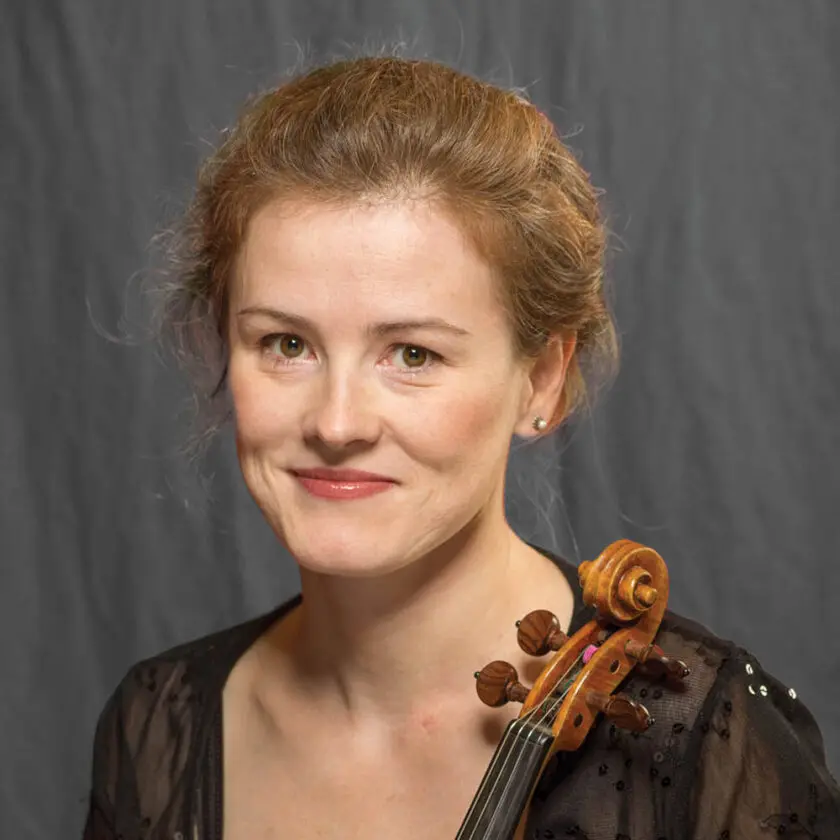
Kristin Ahlstrom, violin

Shannon Farrell Williams, viola
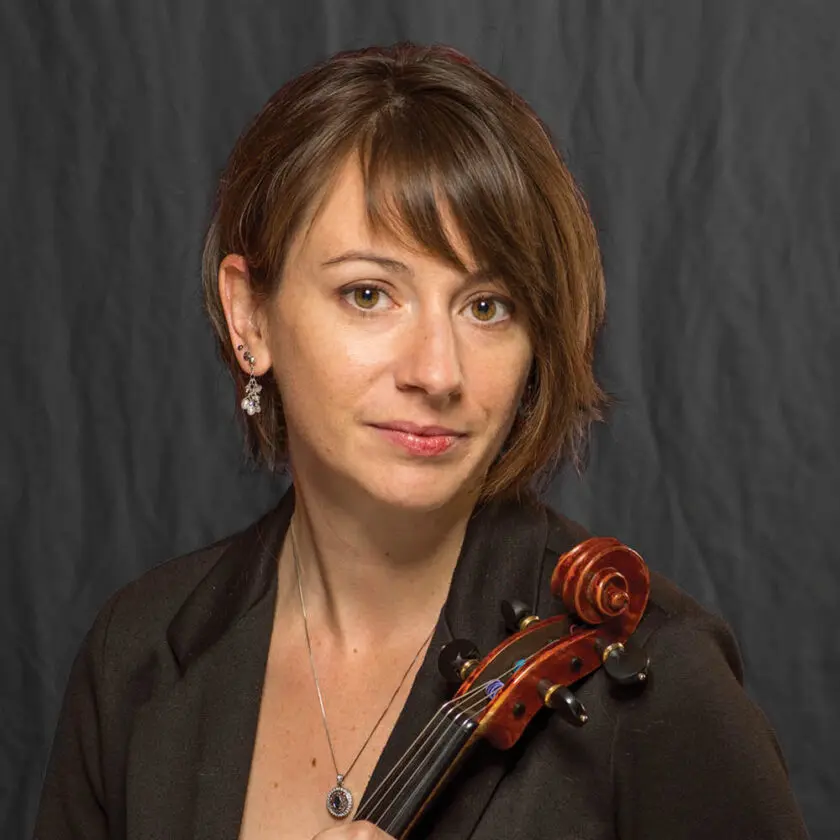
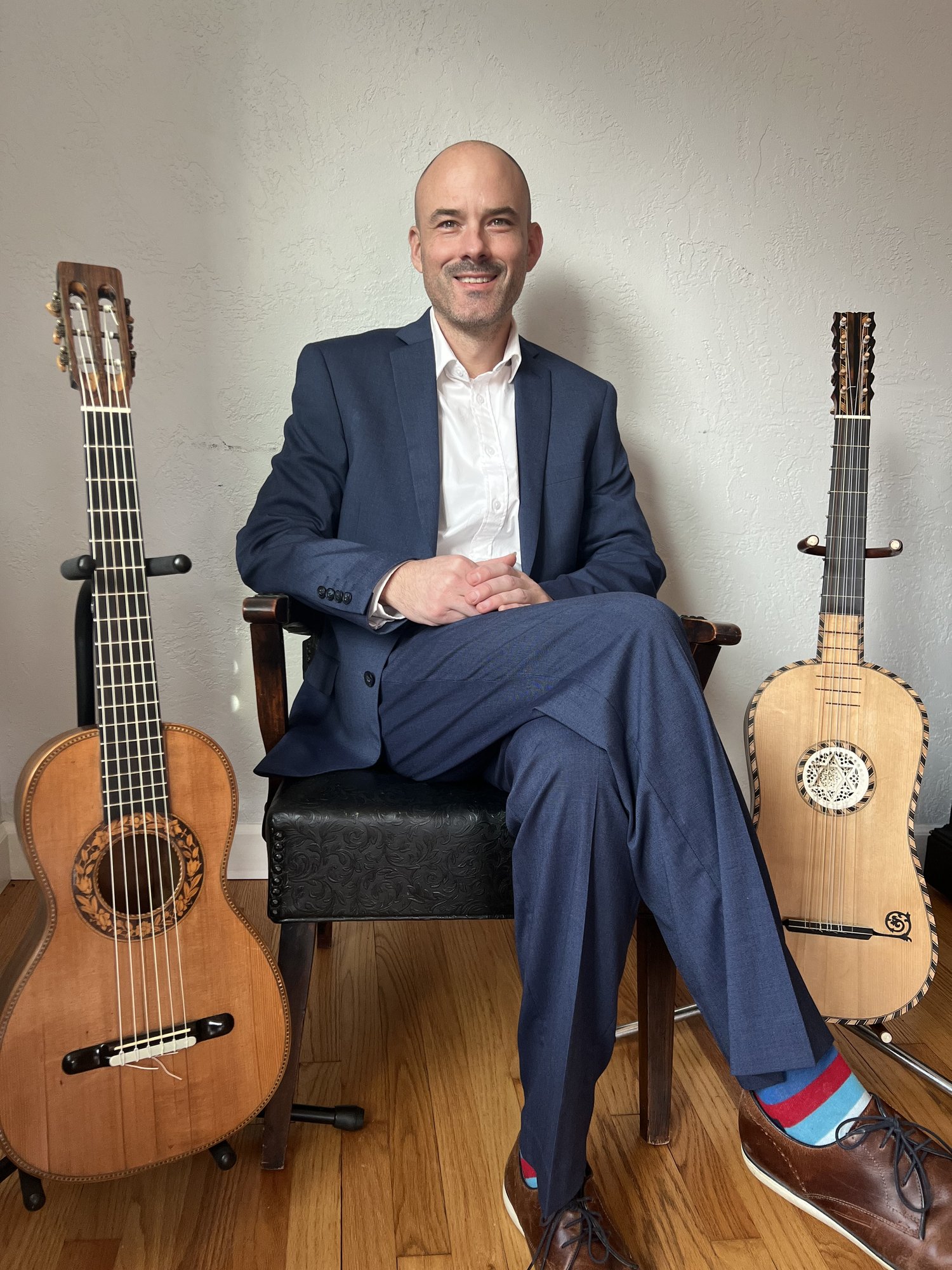
Bjorn Ranheim, cello

With guest musician:
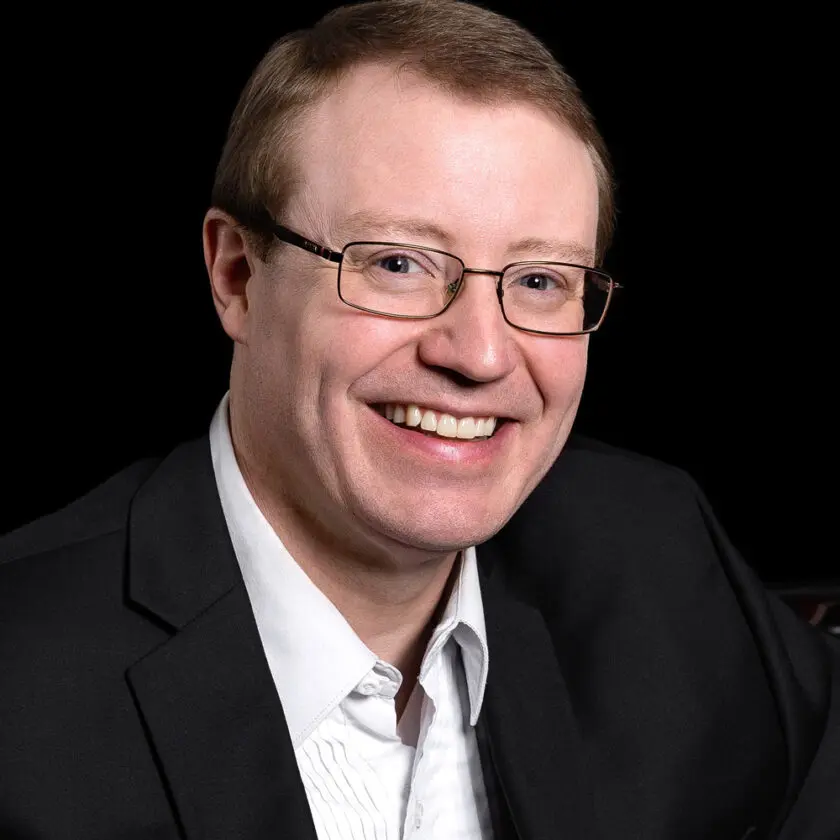
Peter Henderson, piano
Musical Program
Ludwig van Beethoven (1770-1827): Trio for Violin, Viola, and Cello in C minor, op. 9 no. 3 (1797-98) — ca. 25 minutes
- Allegro con spirito
- Adagio con espressione
- Scherzo: Allegro molto e vivace
- Finale: Presto
Ernst von Dohnányi (Dohnányi Ernő) (1877-1960): Serenade for String Trio in C major, op. 10 (1902-04) — ca. 23 minutes
- Marcia: Allegro
- Romanza: Adagio non troppo
- Scherzo: Vivace
- Tema con variazioni: Andante con moto
- Rondo (Finale): Allegro vivace
Intermission
Robert Schumann (1810-1856): Quartet for Piano, Violin, Viola, and Cello in E-flat major, op. 47 (1842) — ca. 28 minutes
- Sostenuto assai — Allegro ma non troppo
- Scherzo: Molto vivace — Trio I — Trio II
- Andante cantabile
- Finale: Vivace
Program Note
Performed by artists from the St. Louis Symphony, this concert begins with two contrasting works for violin, viola, and cello (an ensemble known as a “string trio”). Ludwig van Beethoven’s string quartets are more well-known than his string trios, but his trios sound just as brilliant as his quartets. Beethoven enriched his string trios’ texture by often demanding more of the players, giving the musicians of STRIO the opportunity to display their virtuosity. Beethoven’s famous, glowering “C-minor mood” is on display in his sometimes fiery String Trio, op. 9 no. 3 (opus nine, number three).
Ernst von Dohnányi was a Hungarian pianist, teacher, and composer whose music looked toward the Romantic past rather than the prevailing modernism of early twentieth-century classical music. Dohnányi held a leading position in the musical life of Budapest during the years before World War II. His Serenade for String Trio, composed in 1902-04, when he was in his twenties, features neoclassical elements, beginning with a bracing march that reappears during the concluding, fifth movement. A highlight is the scampering scherzo, featuring a chromatic, zig-zagging main subject treated in contrapuntal imitation.
Robert Schumann tended to concentrate on specific musical genres for a period of time; during 1842, he produced a great deal of chamber music. Among the works he composed that year were a Quintet for Piano and String Quartet (this genre is dubbed “piano quintet”) and a Quartet for Piano, Violin, Viola, and Cello (typically called “piano quartet”). These two works are grand, symphonically scaled, and in the key of E-flat major. While both pieces set a standard of reference in each genre for future composers, the Piano Quartet, op. 47, is more subtle and lyrical. The intimacy of its lovely, songful third movement is strikingly contrasted by the energetic, heroic finale that follows.
 )
)


 [Untitled piece] No. 30 from Album for the Young, op. 68 (ca. 4 minutes)